
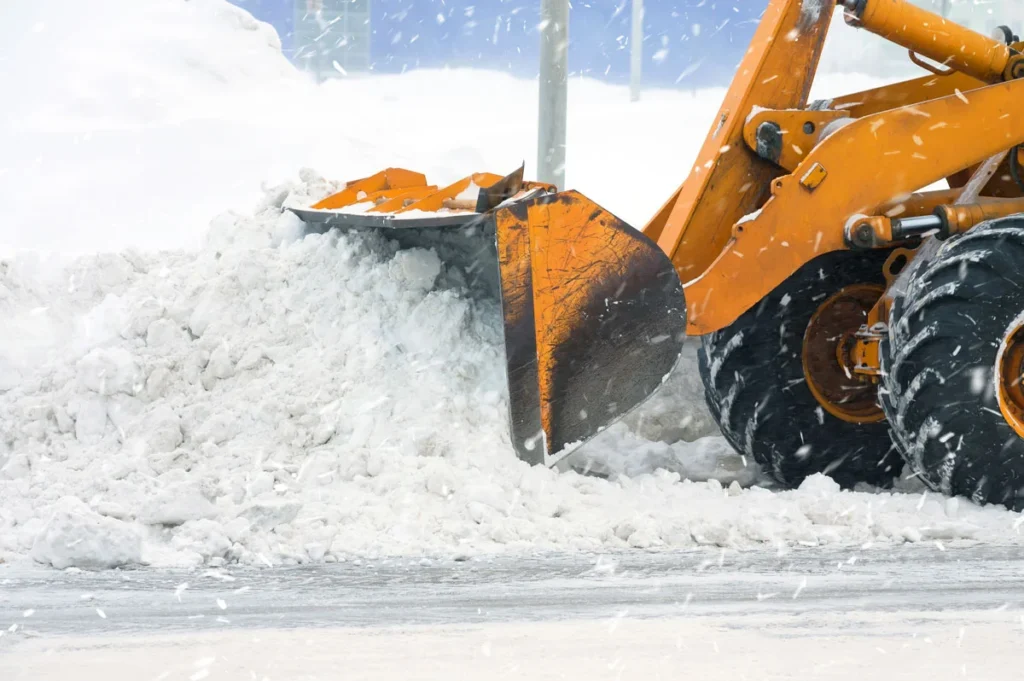
There’s no denying it — Wisconsin winters are no joke. Between lake-effect snowfall, hard freezes, and those bone-chilling wind chills that roll in off Lake Michigan, property owners and managers across Southeast Wisconsin know all too well what’s coming. However, the good news is that with the right preparation and the right snow plowing partner, winter doesn’t have to feel like a battle.
At Jewell Trucking, we offer professional snow plowing and salting services to homeowners, businesses, municipalities, and commercial property managers throughout Southeast Wisconsin. As a result, we’ve learned a lot about what it takes to keep driveways, parking lots, and roadways safe and clear when the temperatures drop. In this guide, we’re sharing our best tips for getting your property winter-ready — so you can head into the cold season with confidence.
Why Winter Preparation Matters More Than You Think
It’s easy to take a “we’ll deal with it when it comes” approach to winter weather. However, that mindset can lead to costly consequences. Slip-and-fall accidents, property damage from ice buildup, and delayed response times during major storms are all risks that could be significantly reduced with some advance planning.
Furthermore, for commercial property owners, the stakes are even higher. Businesses have a legal responsibility to maintain safe conditions on their property. Consequently, an icy parking lot or an unsalted walkway isn’t just an inconvenience — it can be a liability. Preparing ahead of time, both physically and with the right service agreements in place, is always the smarter and more cost-effective approach.
Start With a Property Assessment
Before the first flake falls, take a walk around your property and assess what you’re working with. This simple step will help you and your snow removal team create a plan that’s efficient, thorough, and tailored to your specific property layout.
Here’s what to look for during your pre-winter property walk:
- Identify all areas that need to be plowed — driveways, parking lots, access lanes, and fire lanes
- Note all walkways, steps, and entryways that need to be shoveled and salted
- Look for drainage areas and make note of where snow should NOT be piled (near storm drains, fire hydrants, or building entrances)
- Check for any potential obstacles like speed bumps, curb stops, landscape edging, or low-hanging fixtures that a plow driver should know about
- Identify areas prone to ice formation — shaded spots, low-lying areas, and heavily trafficked surfaces tend to ice up faster
Sharing this information with your snow removal contractor ahead of time makes a significant difference. As a result, your crew can work more efficiently and avoid damage to your landscaping or hardscape features.
Know Your Salting Options
Not all de-icing products are created equal, and choosing the right one for your property and situation can save you money while improving effectiveness. Here’s a quick overview of the most common options:
Rock Salt (Sodium Chloride)
Rock salt is the most widely used and most affordable de-icing product available. It works well in temperatures down to about 15°F and is effective on most standard surfaces. However, it can be corrosive to concrete over time and is harmful to vegetation if over-applied. Therefore, it’s best used in moderation and with care around landscaping and decorative hardscaping.
Calcium Chloride
Calcium chloride is a more powerful de-icer that remains effective in temperatures as low as -25°F. It also works faster than rock salt because it generates heat as it dissolves. Furthermore, it requires less product to achieve the same result, making it a more efficient choice during extreme cold snaps. The tradeoff is that it costs more and can still cause some damage to concrete and metal surfaces with repeated use.
Magnesium Chloride
Magnesium chloride is a gentler alternative that’s less corrosive than both rock salt and calcium chloride. It’s effective down to about 0°F and is considered a better option for properties with decorative concrete, pavers, or nearby vegetation. Additionally, it tends to track less into buildings, which reduces indoor floor damage.
Liquid Anti-Icing
Pre-treating surfaces with liquid de-icing agents before a storm is an increasingly popular approach — and for good reason. Applying liquid anti-icer before snow and ice arrive prevents bonding to the pavement surface, which makes plowing and removal significantly easier afterward. As a result, less solid product is needed after the storm, saving time and material costs.
Not sure which product is right for your property? The Wisconsin Department of Transportation provides helpful guidance on responsible salt use as part of their Smart Salting program. For more information, visit
Not sure which product is right for your property? The Wisconsin Department of Transportation offers helpful guidance on responsible salt use through their Smart Salting program. For more details on best practices, visit the WisDOT Smart Salting resources — it’s a great reference for property owners and managers looking to de-ice more effectively while minimizing environmental impact.
Plowing Best Practices for Your Property
Whether you’re doing your own plowing or working with a professional snow removal service, understanding a few plowing best practices can make a real difference in the quality of the result.
Plow Early and Often
Waiting until a storm is over to start plowing often makes the job harder. Snow that has been driven on becomes packed and compressed, making it much more difficult to remove. Furthermore, multiple inches of accumulated snow put significantly more strain on plowing equipment. Therefore, for major storms, it’s better to plow in passes throughout the event rather than waiting for it to end.
Push Snow to the Right Places
Where you push snow matters as much as how you push it. Snow should always be placed in areas where it won’t obstruct traffic, block fire hydrants, cover storm drains, or create dangerous melt-and-refreeze runoff patterns. Additionally, piling snow near building entrances or against structures can cause water infiltration and ice damming as temperatures fluctuate.
Don’t Forget the Edges
Parking lot edges, curb lines, and the areas around dumpsters, loading docks, and ADA accessible spaces are often neglected during plowing. However, these areas are critical for safety and accessibility. Make sure your snow removal plan specifically addresses them so nothing gets overlooked during a rush.
Apply Salt at the Right Time
Salting is most effective when applied to a clean, plowed surface rather than on top of deep snow. Consequently, the right sequence is plow first, then salt. Applying salt before plowing wastes product and reduces effectiveness. After plowing, apply de-icer to address residual ice and prevent refreezing as temperatures drop overnight.
Preparing Your Property Before Winter Arrives
Getting ahead of winter starts well before the first snowfall. Here’s a checklist of things to take care of in the fall to make sure your property is ready:
- Mark your driveway edges, curbs, and landscape features with driveway markers so plow operators can see them under snow
- Trim back any low-hanging branches that could be damaged by heavy snow accumulation or plow equipment
- Clear debris, leaves, and loose gravel from paved surfaces before the ground freezes
- Inspect gutters and downspouts to prevent ice damming from blocked drainage
- Stock up on de-icing product so you’re not scrambling during the first storm of the season
- Service your snow blower or other equipment before it’s needed
- Confirm your snow removal service contract and response time guarantees ahead of the season
Taking care of these steps in October or early November puts you well ahead of the curve. Furthermore, it gives your snow removal team everything they need to protect your property efficiently from the first storm through the last.
Commercial Property Owners: Don’t Wait Until December
If you manage a commercial property, office building, retail center, or apartment complex, now is the time to lock in your snow removal service for the season. Reliable contractors book up quickly as winter approaches, and consequently, waiting too long means you may be left scrambling for service when you need it most.
When evaluating a snow removal contractor for your commercial property, look for:
- A proven track record with commercial properties similar to yours
- Clear response time commitments — especially for overnight and early morning storms
- Full-service capabilities including plowing, salting, and walkway clearing
- Equipment suited to your property size and layout
- Reliable communication and a direct point of contact
At Jewell Trucking, we offer professional snow plowing and salting services for commercial and residential properties throughout Southeast Wisconsin. To learn more about everything we offer, visit our full list of services on our website — and reach out to get set up before the season kicks off.
A Few More Winter Safety Tips to Keep in Mind
Beyond plowing and salting, here are a few additional tips to keep your property and the people on it safe all winter long:
- Keep sand or kitty litter on hand for extra traction on icy surfaces in a pinch
- Make sure exterior lighting is working properly — shorter days mean more activity in the dark
- Check that all entrance mats are in good condition to reduce tracked-in moisture and slip hazards
- Have a clear plan for who is responsible for shoveling steps and walkways between professional service visits
- Communicate proactively with tenants, employees, or customers about snow removal schedules and any temporary access changes
Additionally, if a significant storm is in the forecast, don’t wait for conditions to deteriorate. Reach out to your snow removal service ahead of time to confirm the plan and make sure everyone is on the same page.
Let Jewell Trucking Handle the Heavy Lifting This Winter
Winter in Southeast Wisconsin can be unpredictable, but your snow removal service doesn’t have to be. At Jewell Trucking, we bring over 50 years of experience, dependable equipment, and a genuine commitment to keeping our clients’ properties safe and accessible all season long. Whether you need residential driveway plowing, commercial lot clearing, or full-service salting for a large property, we’re ready to help.
As a family-owned and operated business, we take pride in being the kind of snow removal partner you can count on — even at 3 a.m. when the storm rolls through overnight. Give us a call at 262-679-0734 or request a free quote at jewelltrucking.com. Let’s get your property ready for whatever Wisconsin winter throws at it!

